Playing Keno in New Zealand: Rules and Payouts
 Available in US
See how number selections, scheduled draws, matching results and prize tables fit together in Keno in New Zealand.

Table of Contents
- How a Keno Draw Works
- How Many Numbers Do You Need to Match to Win?
- Keno Rules and What Happens to Unclaimed Prizes
- Keno in New Zealand: The Local Framework
- Ways to Play Keno Each Day
- How to Read a Keno Prize Table
- Keno Payout Charts and Entry Costs
- Keno Results, Winners, and Number Patterns
- A Simple Checklist Before You Enter a Keno Draw
- Is There a Maximum Keno Win in New Zealand?
How a Keno Draw Works
Keno is organised around a simple sequence: you make a number selection for a particular draw, the entry closes when that draw is scheduled to begin, and the draw produces its result. In Keno NZ, the draw takes place four times a day, at 10 am, 1 pm, 3 pm and 6 pm. Knowing that sequence helps you understand what you are entering and which scheduled result your selection belongs to.
From selection to scheduled draw
Before a draw, you choose the numbers you want to include in your Keno entry. That selection is associated with a particular draw time. It is not a general choice that automatically applies to every draw: pay attention to the draw identified for your entry so you know when its result is due.
The entry window closes at the scheduled draw time. That makes the timetable part of the process, not just a guide to when results may appear. If you are considering an entry, check the time shown for the draw you intend to enter and allow yourself enough time to complete the selection before it closes. An entry made after that point cannot be treated as part of the draw that has already closed.
Before choosing where to play keno in New Zealand, check the details that matter to you and confirm the games and terms available to you. This list offers a brief reference point based on the information provided.
Payout speed: 1-3 business days You can use Lamabet’s listed payout speed of 1–3 business days as one detail to consider when reviewing it for keno.
License: Malta Gaming Authority, licence no. MGA/B2C/394/2017 N1 Casino is listed with a Malta Gaming Authority licence, number MGA/B2C/394/2017. You can use that licence detail as part of your review.
License: Malta Gaming Authority, licence no. MGA/B2C/370/2017 Play Grand is listed with a Malta Gaming Authority licence, number MGA/B2C/370/2017. You can consider this licensing information when reviewing the operator.
License: Tobique Gaming Commission, licence no. 0000091 7Bit Casino is listed with a Tobique Gaming Commission licence, number 0000091. This is the licensing detail available here for your assessment.
License: Curaçao Gaming Authority, licence no. OGL/2024/165/0185 BitStarz is listed with a Curaçao Gaming Authority licence, number OGL/2024/165/0185. You can take this licence information into account when reviewing it.
Payout speed: 1-3 business days Wintino’s listed payout speed is 1–3 business days. You can weigh that detail when considering the operator for keno.
License: Tobique Gaming Commission, licence no. 0000064 Neospin is listed with a Tobique Gaming Commission licence, number 0000064. You can refer to this information as part of your review.
License: 07017519840 · Payout speed: 1-3 business days Zotabet is listed with licence identifier 07017519840 and a payout speed of 1–3 business days. The information provided does not specify the licensing authority.
License: Tobique Gaming Commission, licence no. 0000002 Ricky Casino is listed with a Tobique Gaming Commission licence, number 0000002. This licensing detail can help inform your review.
Once the entry is accepted, your selected numbers are set for that draw. The draw itself then determines which numbers are drawn. Keno draws 20 numbers from a pool of 80. The numbers drawn form the result against which entries for that scheduled draw are considered.
This is the basic answer to how Keno works in New Zealand: your selection is linked to a draw, the entry closes at its scheduled time, and 20 numbers are drawn from the pool. The sequence is the same whether you are thinking about Keno NZ as a regular daily game or looking at a particular draw on the timetable.
The draw and your entry are separate steps
It can help to keep your part of the process separate from the draw itself. You decide which numbers to select before the draw closes. The draw then produces its numbers independently of your choice. Your selection does not influence which numbers are drawn, and the draw does not change what you selected for that entry.
That distinction also makes it easier to follow what happens after you enter. First, identify the scheduled draw. Next, make and submit your selection before the closing time. Then wait for that draw to take place and compare its result with the numbers on your entry. These are stages of one process, but they are not the same action: making a selection is not the draw, and seeing a result is not a new opportunity to alter an entry already submitted.

The number pool gives the game its structure. There are 80 possible numbers in the pool, while 20 are drawn for a Keno result. Those figures describe the draw itself; they do not mean that every player has the same selection or that a player’s choice changes the draw. The draw creates a set of drawn numbers, and each entry is assessed against that set.
Use the timetable to identify the right draw
Because Keno NZ has four scheduled draws each day, you should be clear about which one your entry is intended for. The daily times are 10 am, 1 pm, 3 pm and 6 pm. If you are deciding whether to enter, the useful question is not simply whether Keno is available that day, but whether the draw you have in mind is still open.
The closing point is the scheduled draw time. Do not assume that an entry can be added once the draw has begun or that a selection made for one draw will carry over to another. Check the draw time connected to your entry before submitting it. That small check helps prevent confusion about which result to follow.
After the draw, the result belongs to that scheduled event. A later draw is a separate event with its own closing time and its own set of drawn numbers. The daily timetable therefore gives you clear points at which entries close and results are produced, while the pool and draw size explain the mechanics behind each result.
- Check the scheduled draw time
- Complete your selection before the deadline
- Identify the specific draw for your entry
- Submit after the draw has closed
- Assume a selection carries over to another draw
- Forget to verify the result against the pool
If you are new to Keno, focus first on these mechanics rather than trying to infer anything from the sequence of numbers. Select for a specific draw, submit before its scheduled time, and understand that the draw takes 20 numbers from the pool of 80. That is the full basic sequence: selection, closing time, draw, result.
How Many Numbers Do You Need to Match to Win?
There is no single hit count that answers how many numbers you need to win Keno NZ. The outcome depends on two things together: how many numbers you select and how many of those selections appear among the numbers drawn. A hit is a number that belongs to both sets. The prize is determined by that overlap, interpreted in relation to the size of your selection.
In Keno, you can choose between one and ten numbers. In a 20-number game, exactly 20 numbers are drawn. Once the draw is complete, compare the numbers on your entry with those drawn and count the matches. Numbers on your entry that do not appear are not hits; drawn numbers you did not select do not add to your match count.
The key point is that a hit count does not have a fixed meaning on its own. The same number of hits can lead to different prize outcomes depending on how many numbers you selected. A result must be read against both parts of the entry: the number of selections and the number that matched. That is why asking how many hits win, without saying how many numbers were selected, leaves out an important part of the calculation.

Why the size of your selection matters
Think of your selection as the group of numbers you are trying to match. The draw produces a separate group. The shared numbers are your hits. If your selection contains only a small group, each match represents a larger share of that selection. If it contains more numbers, the same hit count represents a smaller share. Keno’s payout calculation takes the selection size into account rather than treating every hit count as equivalent.
This does not mean that choosing more numbers automatically makes an entry a better choice. It changes the way the result is assessed, but the prize still depends on the actual overlap between your selections and the draw. Nor does choosing fewer numbers make a match more valuable in every circumstance. The relevant outcome is the combination of selection size and hits, not either one considered alone.
For instance, imagine comparing two entries that end with the same number of matching numbers, but began with different selection sizes. You cannot assume they receive the same prize simply because their hit counts match. You also cannot work out the prize from the selection size alone: the draw may produce a different number of hits for each entry. Both details have to be considered together.
As your number of matched selections increases, the prize increases. But that relationship does not give a universal prize amount for each additional hit. The payout depends on the number of hits and the number of numbers selected, so the result for one entry cannot safely be applied to another entry with a different selection size.
A Keno prize depends on the combination of how many numbers you selected and how many of those matched the draw, rather than a fixed hit count.
What “winning” means for your entry
A useful way to assess an outcome is to separate the counting from the prize calculation. First, identify the numbers you selected. Then compare those with the drawn numbers and count only the overlap. Finally, interpret that hit count in the context of how many numbers were selected. This keeps the basic question clear: how many of your own numbers were drawn, and what does that combination mean for the entry?
Do not treat the number of drawn balls as the number you needed to match. The draw contains 20 numbers, but your entry contains only the numbers you chose. Your hit count is not the total number drawn; it is the number of your selections that appear in the draw. The distinction matters when you check an outcome, especially if you are comparing results from entries with different-sized selections.
The question of how much you can win playing Keno in New Zealand cannot be answered by hit count alone. A prize depends on both the count of matching selections and the total number selected. The hit count tells you how your entry performed against the draw; the selection size provides the other part of the payout calculation. Neither detail should be read in isolation.
If you are checking whether a particular result qualifies for a prize, use the payout information for the relevant selection size rather than relying on a general rule such as “this many hits always wins.” The same principle applies when you compare possible outcomes: a larger hit count does not tell the whole story unless you also know how many numbers were selected. Keeping those two details together is the clearest way to understand what a Keno result means, without assuming that one hit count has the same value across every entry.

Keno Rules and What Happens to Unclaimed Prizes
A Keno entry has a firm cutoff: sales for a particular draw close when that draw is scheduled to take place. If you intend to enter, the relevant point is not simply that you have chosen your numbers, but that your entry has been submitted before the draw-time deadline. A selection left incomplete or not successfully entered by then should not be treated as a valid entry for that draw.
This makes timing part of checking an entry, not an afterthought. Leave enough time to review what you have selected and confirm that the entry has gone through before the scheduled draw time. If you miss the cutoff, do not assume your selection will be carried into the next draw. Check the entry details shown to you instead; the stated deadline applies to the draw you meant to enter.
Keep the entry details available
Once you have entered, keep the information that identifies the entry. That gives you something to refer to when checking whether it relates to the draw you intended. Be careful not to rely only on memory, particularly if you make entries for different draws. A clear record can help you distinguish an entry that was accepted from one you only meant to submit.
This is practical care, not a way to change the outcome. The deadline does not depend on how carefully you chose numbers, and a late selection does not become timely because you had prepared it earlier. Treat the scheduled draw time as the point by which the entry itself must be completed.
Unclaimed Prizes
Unclaimed New Zealand Keno prizes may be forfeited after 12 months and returned to the Prize Reserve Fund.
Do not leave a prize unchecked
A winning result and a claimed prize are separate matters. If you think an entry may have won, check it and follow the applicable claim instructions rather than assuming the prize will be paid automatically. Keep the entry details available while you do so. The relevant claim period matters: leaving a possible prize unattended can have a different consequence from missing the entry deadline.
A specialist affiliate review states that an unclaimed New Zealand Keno prize is forfeited after 12 months, with the money returned to the Prize Reserve Fund. This is a reported claim from that type of review, not a rule that should be treated as a confirmed, permanent market-wide standard. Because the period and handling of unclaimed prizes can be subject to change, check the current terms that apply to your entry before relying on that description.
The practical point is to act promptly if you believe you have a Keno winner in New Zealand. Do not wait until you are close to the stated period to find out what the claim requirements are, and do not assume that an unclaimed prize remains available indefinitely. Keep the entry information and check the relevant current terms so you understand what to do and by when.
The draw cutoff and the claim period address different risks. The first determines whether an entry is in for a scheduled draw; the second concerns what happens if a prize is not claimed. Keeping those two timings separate can prevent a simple misunderstanding: submitting before the draw is not the same as claiming a prize afterwards, and checking a result does not itself establish that a prize has been claimed.
Keno in New Zealand: The Local Framework
Keno NZ has four scheduled draws each day, but that schedule is a feature of the game, not a statement about who may legally offer online casino gambling. The rules governing the game and the laws governing online providers are separate matters. If you are looking at Keno online, it is worth understanding the New Zealand framework before treating a website’s availability as evidence that it holds a local licence.

Explore pokies, slots and table-game topics for New Zealand, including roulette, baccarat, blackjack, craps and…

Learn how digital and live craps differ, how points and bets work, and how the…


The Online Casino Gambling Act 2026 came into force on 1 May 2026, establishing New Zealand’s first domestic licensing system for online casino gaming. The Gambling Act 2003 did not permit online casinos to be based in New Zealand. Before the new Act took effect, overseas online casino services were not licensed or supervised by a New Zealand regulator, and customers who wagered with offshore websites had no domestic government recourse.
The new system is being introduced through a transition rather than becoming fully operational at once. Providers that were already serving people in New Zealand before 1 May 2026 may continue during the transition, which ends on 1 December 2026. The framework also requires providers to stop operating in New Zealand by that date if they have not applied for a licence. The full licensed regime is expected to be operational in 2027, so the legal position during the transition should not be confused with the arrangements expected once licensing is fully in place.
The Department of Internal Affairs is New Zealand’s primary gambling regulator and oversees the online casino licensing framework. Licensing decisions sit with the Gambling Commission: it considers and determines casino licence applications, issues licences, and approves changes to licence conditions. These responsibilities are distinct. The Department provides the wider regulatory oversight, while the Commission handles applications and licence decisions.
The primary gambling regulator that oversees the online casino licensing framework.
The body that determines licence applications, issues licences, and approves condition changes.
This division matters when you see a claim about a provider’s status. A website serving New Zealand customers during the transition is not, for that reason alone, proof that it has already received a domestic online casino licence. The transitional provisions allow some existing providers to continue for a limited period while the licensing system is established. They do not turn the game’s draw schedule into a licensing rule, nor do they make the transition itself equivalent to the completed regime.
Keno NZ’s four daily draws are a practical point for players to keep in mind, but they do not establish that every online casino offering a Keno-style game is part of the locally regulated system. The same name or familiar format does not, by itself, tell you which provider is responsible for the service or what legal arrangements apply. Take care not to read a game description as a guarantee of local oversight.
New Zealand residents could access offshore online casinos before the Act, but those services were outside domestic licensing and supervision at that time. The 2026 law creates a route to local licensing and a transition for providers already operating; it does not mean that the complete regime was active from the day the Act commenced. The distinction is useful when assessing claims: the law sets out who oversees gambling and who decides licence applications, while Keno’s daily schedule remains a separate feature of the game.
Ways to Play Keno Each Day
If you want to play Keno NZ, the available route depends on where you are and how tickets are sold there. A specialist affiliate review describes three channels: buying through an official lottery retailer, using a mobile app, or entering through a website. Its account limits those options to regions where Keno NZ tickets are legally sold, so an app or website should not be treated as an option available everywhere.

At a retailer, you can make your selection and place the entry in person. Digital options can let you do this through a phone or computer, but the service and games offered may differ between providers. A specialist affiliate review also notes that not every casino has an app, or makes the same games available on mobile. Check that the particular Keno game is actually offered on the device and channel you plan to use; having a mobile site does not by itself mean that every game can be played there.
Choosing a channel
The practical distinction is how you access the entry, not a different version of the draw. For an in-person purchase, use an official lottery retailer in a place where Keno NZ tickets are sold. For a digital entry, check the provider’s own information about its app or website and whether the relevant game is available to you. Do not assume that a service described in an online review is currently available in your location.
The word “casino” also needs care in New Zealand. The Gambling Act 2003 does not permit online casinos to be based domestically, and the newer Online Casino Gambling Act 2026 created the country’s first domestic licensing framework. That Act took effect on 1 May 2026, with a transition running until 1 December 2026. Providers that were already serving people in New Zealand before the Act began may continue during that period, subject to its transitional provisions. The full licensing regime is not expected to be operational until 2027.
Attention: A website’s availability in New Zealand during the transition period is not proof that it has already received a domestic online casino licence.
The Department of Internal Affairs is the primary gambling regulator and oversees the online casino licensing framework. The Gambling Commission handles casino licence applications and decisions, including changes to licence conditions. A specialist affiliate review describes the licensing process as underway; that is a changing regulatory position, not a guarantee that any particular website holds a New Zealand licence. The transition also does not make every online casino a locally licensed service.
Before choosing a digital channel, distinguish Keno NZ ticket access from online casino gambling, and do not infer local approval from an app listing or a website that loads in New Zealand. If the service’s status or availability is unclear, pause rather than relying on an old review. A retailer, app and website are access methods; the legal position of the provider is a separate matter.
How to Read a Keno Prize Table
A Keno prize table links two details: how many numbers you selected and how many of those numbers matched the draw. Read both together. A hit count on its own does not tell you the prize level, because the same number of hits can correspond to different outcomes for different selection sizes.
Start with the row or heading for your chosen number of selections. Then find the column or entry for the number of hits. Where they meet, the table indicates the prize category or amount associated with that result. The layout may vary, so check the labels rather than assuming that rows and columns always follow the same order.

For instance, if your entry is based on a particular selection size, use that selection size throughout your reading of the table. Do not take a hit count from a different selection row and apply its prize to your entry. The table is describing combinations of selection size and result, not a single ladder that applies to every ticket.
The relationship is straightforward: the prize increases as more of your selected numbers are matched, but the relevant prize level also depends on how many numbers you selected. That is why a table may contain several possible prize outcomes for the same hit count, or show that a particular hit count has no prize for one selection size. Read the exact intersection rather than relying on a general impression that “more hits” always means the same return.
Before using a table, confirm that it applies to the Keno game and entry you are looking at. A table for another version or set of conditions may not describe your ticket. If the table distinguishes between selection sizes, match your entry to the correct one; if a label is unclear, do not guess at its meaning. The prize level should be identifiable from the table itself.
It can also help to separate the table’s two jobs. It shows how a result maps to a prize level, but it does not tell you whether a particular result is likely. Nor does it make a past result a guide to what will happen in a later draw. Treat it as a reference for interpreting a completed entry, not as a way to choose numbers or predict a win.
Reading Prize Tables
Locate the row or heading that matches the number of selections you made.
Find the column or entry for the number of your selections that matched the draw.
Read the prize category or amount at the intersection of your selection size and hit count.
When looking up Keno prizes in New Zealand, use the table as a lookup tool: identify your selection size, locate your hit count, and read the corresponding outcome. Keep those steps distinct from comparing how much an entry costs, since stake information is a separate part of understanding a payout.
Keno Payout Charts and Entry Costs
A Keno payout chart connects the amount you stake with the result of your entry. To read it, first find the number of numbers you selected, then locate the row or column for the number of hits. The relevant prize is the figure where those details meet for the stake option you chose. Payouts depend on both the hits and the size of your selection, so a chart for one selection size cannot be read as if it applied to another.
Check whether the chart displays prizes for a particular stake or separates results by stake level. If the amount you intend to spend is not shown in the same part of the chart as your selection and hit count, you may be looking at the wrong entry-cost column or table. Do not assume a prize listed for one stake automatically applies to another by multiplying it: use the payout information provided for the actual stake.
For standard Keno, the available cost options per selection are $1, $2, $3, $4, $5, $10, $20, $50, and $100. Keno lines start at $1. These are different stake choices, not a guide to how much a particular result will pay. The chart determines the applicable payout; the amount staked is one of the details needed to read it correctly.

Before entering, confirm that the chart matches the game and selection size you are playing, and that you have identified the stake shown for your entry. A chart can be easy to misread if you follow the hit count but overlook the selection-size heading or the stake label. Take a moment to check all three together: selected numbers, hits, and wager amount.
If a chart does not make clear which stake its figures refer to, do not treat those figures as your expected return. Seek a clearly labelled payout chart for the relevant entry instead. This keeps the cost of the selection separate from the prize information and helps you avoid relying on a payout figure that belongs to a different stake or selection.
Keno Results, Winners, and Number Patterns
Checking a Keno NZ result is a straightforward way to confirm what happened in a draw, but it is important to keep the result in perspective. Compare the numbers shown for the relevant draw with your entry, and make sure you are looking at the correct draw time: Keno NZ draws take place at 10 am, 1 pm, 3 pm, and 6 pm.
People looking for news about Keno winners in New Zealand may find reports or winner information, but another player’s result does not tell you what will happen in a later draw. A winning selection is an outcome from that particular event, not evidence that its numbers are more likely to appear again. Likewise, a number that has not appeared for a while is not “due”.
Each draw is a separate random event. Past frequency does not change the probability of a number appearing in the next draw. A record of previous results can show which numbers appeared in those draws, but it cannot predict the next result or improve your chances. Patterns in a list may feel meaningful, especially when several numbers repeat or one seems absent, but the pattern is only a description of what has already happened.
Each Keno draw is a separate random event; past number frequency or patterns do not influence or predict future results.
This distinction matters when you review statistics or use a number generator. Such tools can organise past results or produce a selection, but they do not influence the draw. Generated numbers are random and do not guarantee a prize or winning outcome. Choose numbers in a way that suits you, rather than treating a sequence, frequency chart, or apparent trend as a signal.
If you are checking whether your entry was successful, use the result for the draw you entered and verify the numbers carefully. Avoid relying on a headline about a winner as a substitute for checking your own entry: reports about other players cannot confirm your outcome. Results are useful for reviewing a completed draw; they are not a forecast, and no past sequence can make a future Keno NZ draw more predictable.
A Simple Checklist Before You Enter a Keno Draw
Use this checklist to catch a selection or timing mistake before submitting an entry:
-
Confirm the game and draw. Check that you have chosen Keno NZ and the draw you intend to enter. Draws are scheduled for 10 am, 1 pm, 3 pm and 6 pm.
-
Check the number range shown for your entry. Published descriptions disagree: one says online Keno allows selections of four to twenty numbers, while another says Keno players can choose between one and ten. Those ranges do not match. Do not assume that one description applies to every online entry; check the options displayed for the specific game you are using.
-
Review each selected number. Make sure the numbers on the entry are the ones you meant to choose. If you used Dips, check the resulting selection too; randomly generated numbers do not guarantee a prize or winning result.
-
Check the draw time before submitting. Entries close at the scheduled draw time. Leave enough time to review the entry and complete submission before that point; a selection left unfinished is not an entry.
-
Read the final entry details. Confirm that the selection is attached to the intended draw and that the submitted entry reflects your choices. Keep the entry information so you can refer back to it.
This is a practical check, not a way to improve the result. Once your entry is submitted, the numbers drawn are outside your control.
Is There a Maximum Keno Win in New Zealand?
A payout is not determined by the draw alone: it depends on both how many numbers you selected and how many of those numbers appear among the drawn numbers. More matched selections can mean a higher prize, but the outcome still depends on the relevant prize terms for the entry.
That distinction matters when you are trying to assess what a game could pay. A strong match may qualify for a higher prize level than a weaker one, yet the number of hits by itself does not tell you the exact amount. You also need to know how many numbers were selected and which payout terms apply to that selection. Without those details, naming a maximum would risk giving you a figure that does not fit your entry.
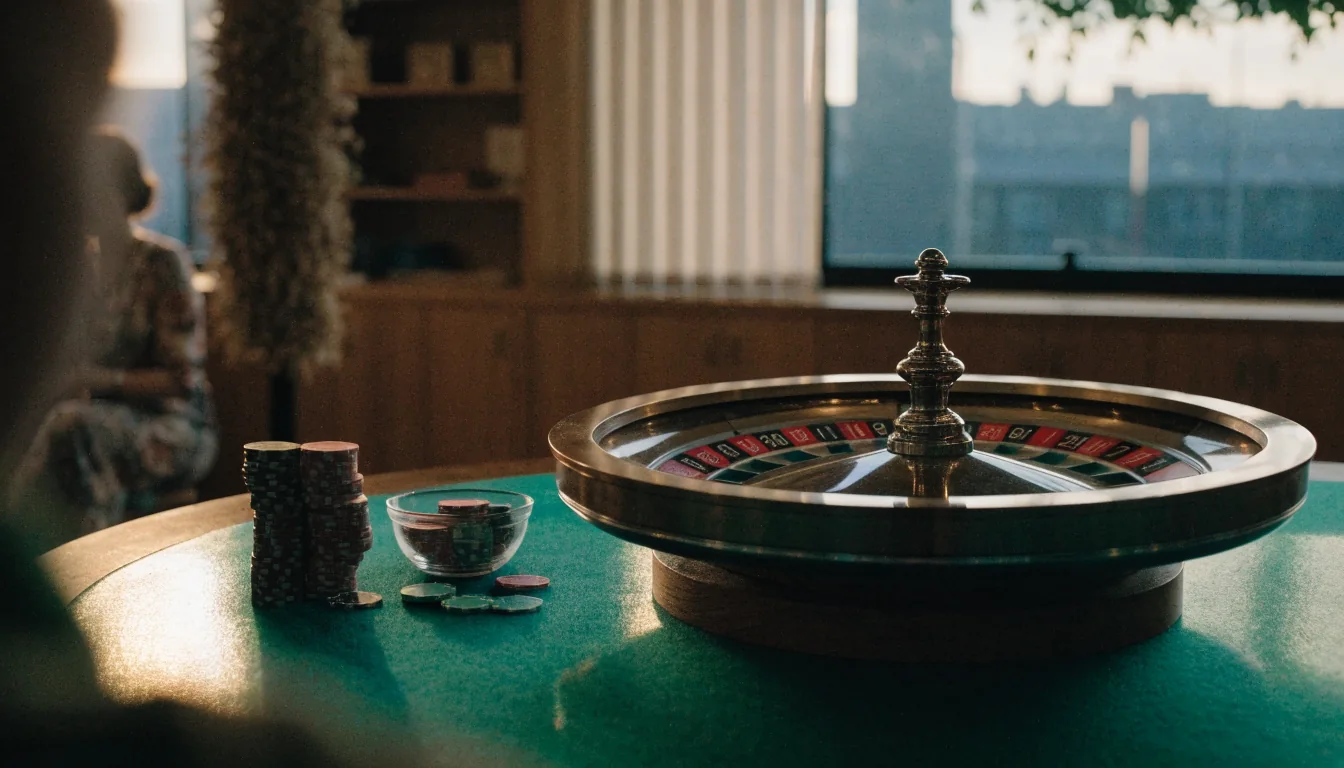
Treat any claimed top prize as specific to the game and terms being described, rather than as a universal Keno limit. Before entering, check the applicable information for the Keno game you intend to play and make sure it matches your selection. Do not assume that a prize figure shown for one selection applies to another.
Keno outcomes are uncertain, so a possible high prize is not a prediction of what you will receive. The useful question is not only how many numbers might match, but what the stated payout rules provide for your particular selection. If those rules do not give a clear maximum, avoid relying on an amount quoted elsewhere as though it applies to every Keno entry in New Zealand.
How do you play Keno in New Zealand?
Choose numbers for a specific draw and submit your entry before that draw’s scheduled time. The draw selects 20 numbers from a pool of 80; you win according to how many of your selections match, with the prize also depending on how many numbers you selected.
Does a number being “hot” or “cold” affect its chances in the next Keno draw?
No. Each draw is independent, so how often a number appeared in the past does not change its chance of appearing in the next draw.
What time is the Keno draw held?
Keno NZ draws take place at 10 am, 1 pm, 3 pm and 6 pm each day. Entries close at the scheduled draw time.
Do these numbers improve my odds?
No. Past number frequency does not affect the next random draw, so choosing numbers because they are “hot” or “cold” does not improve your chances.
Created by the ”Casino Info NZ” editorial team.