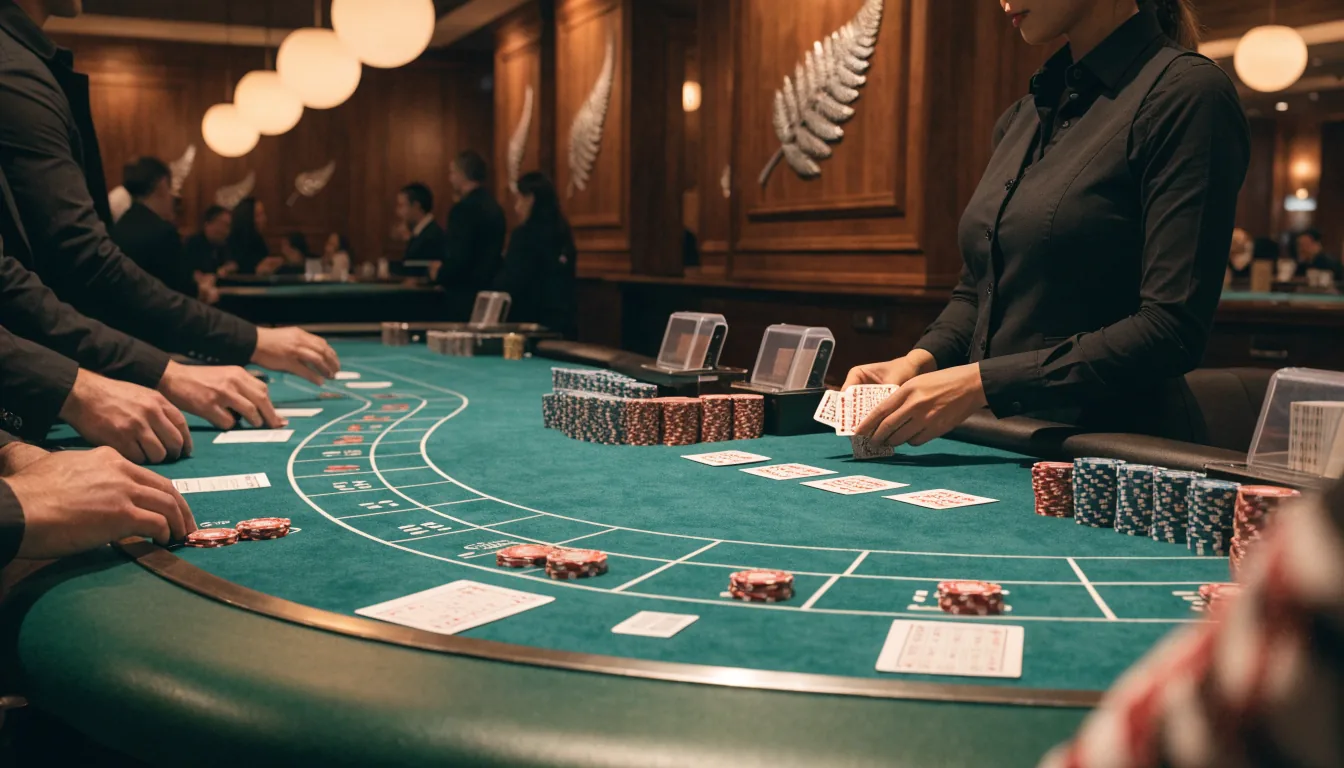
French Roulette in New Zealand: Rules and Zero
 Available in US
The guide explains the single-zero wheel, eligible even-money bets, and how La Partage and En Prison affect a zero result.
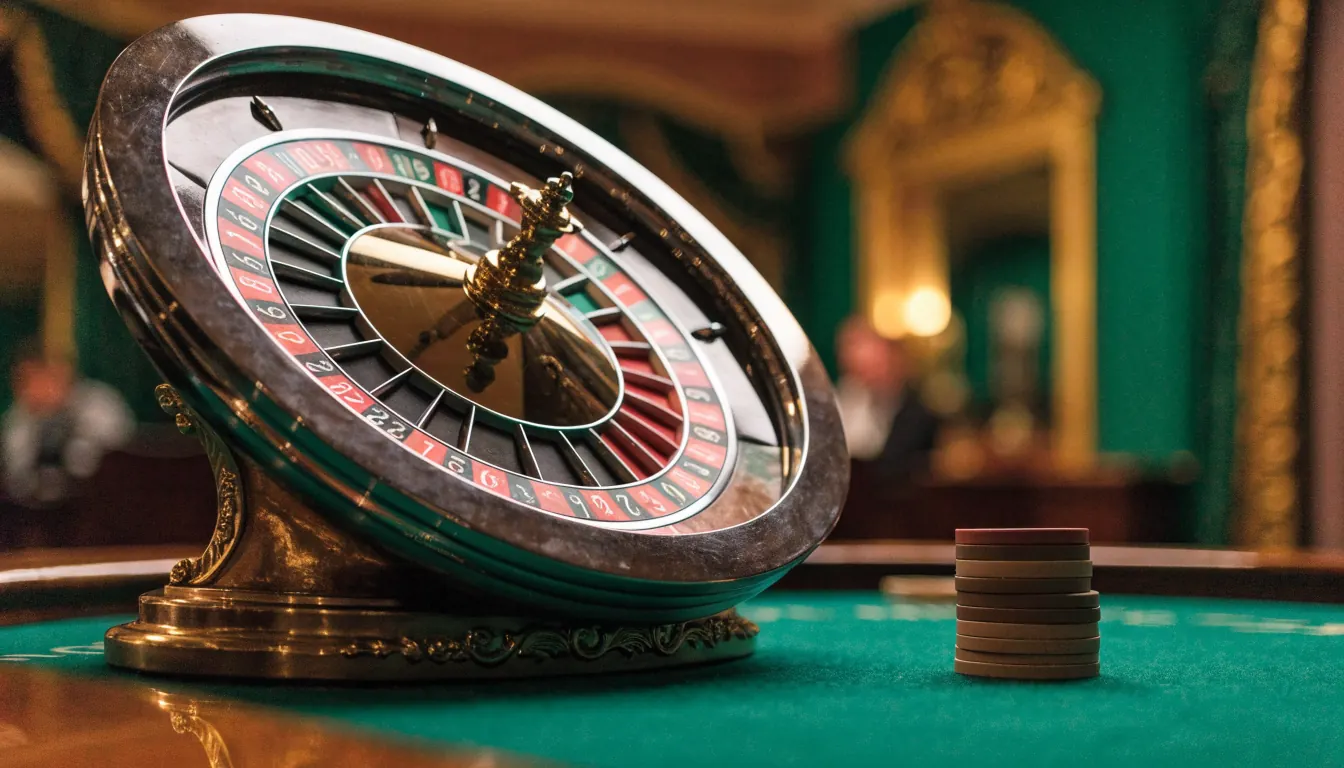
Table of Contents
- How the French Wheel and Its Zero Rules Work
- Trying French Roulette Online Without Real-Money Stakes
- French Roulette Online in New Zealand: Rules and Caution Points
- Live French Roulette: Reading the Table and Wheel
- French Roulette Odds, Probability and the Limits of Strategy
- French Roulette vs American Roulette: What the Extra Pocket Changes
- French Roulette Payouts and Playing for Fun
- Called Bets in French Roulette: Wheel Neighbours, Not Table Neighbours
- French Roulette Calls, Casinos and the Blackjack Edge Question
- French Roulette Gold Live: Check the Rules Behind the Label
How the French Wheel and Its Zero Rules Work
French Roulette uses a single-zero wheel, with the same wheel layout as European Roulette. The key difference is not an extra pocket or a different set of numbers: French tables may apply special rules when zero appears. La Partage and En Prison affect only even-money outside bets, and only on a spin where the ball lands on zero.
An even-money outside bet is one that pays an amount equal to the stake when it wins. These bets cover broad groups of numbers rather than selecting one individual number. The special zero rules matter because, without them, a zero can cause an otherwise even-money bet to lose. They do not apply to every bet on the table, so it is important to know what kind of bet you have placed and which rule the table offers.
What La Partage does
With La Partage, a zero result returns half of your stake on an eligible even-money outside bet. The other half is collected. So the bet is not treated as a complete loss, but it does not win either. If the spin lands on a number that makes your bet successful, the ordinary win applies; if it lands on a number that makes it unsuccessful, the stake is lost.
If you’re looking at French roulette options in New Zealand for 2026, this list gives you a concise reference to the available operator details. Use the information provided to decide which options merit a closer look.
Payout speed: 1-3 business days Lamabet lists a payout speed of 1–3 business days.
License: Malta Gaming Authority, licence no. MGA/B2C/394/2017 N1 Casino lists a Malta Gaming Authority licence, no. MGA/B2C/394/2017.
License: Malta Gaming Authority, licence no. MGA/B2C/370/2017 Play Grand lists a Malta Gaming Authority licence, no. MGA/B2C/370/2017.
License: Tobique Gaming Commission, licence no. 0000091 7Bit Casino lists a Tobique Gaming Commission licence, no. 0000091.
License: Curaçao Gaming Authority, licence no. OGL/2024/165/0185 BitStarz lists a Curaçao Gaming Authority licence, no. OGL/2024/165/0185.
Payout speed: 1-3 business days Wintino lists a payout speed of 1–3 business days.
License: Tobique Gaming Commission, licence no. 0000064 Neospin lists a Tobique Gaming Commission licence, no. 0000064.
License: 07017519840 · Payout speed: 1-3 business days Zotabet lists the identifier 07017519840 and a payout speed of 1–3 business days.
License: Tobique Gaming Commission, licence no. 0000002 Ricky Casino lists a Tobique Gaming Commission licence, no. 0000002.
The rule is specific to French Roulette. A table labelled French does not, by that label alone, tell you which zero rule is in force; check the table rules for La Partage before you play. The important detail is its limited scope: it changes the treatment of an eligible even-money outside bet when zero lands, not the result of other bet types.
What En Prison does
En Prison handles the same eligible bet differently. When zero lands, the stake is held for the next spin instead of being settled immediately. If that next spin would have made the original bet win, the stake is returned, with no additional winnings. If the next spin would have made it lose, the stake is collected.
This is not the same as La Partage. La Partage returns part of the stake straight away and collects the rest. En Prison leaves the stake unresolved until the following spin determines whether it is returned or collected. Check the table’s wording so you know which treatment applies; do not assume that a French table offers both rules or that they can be chosen after zero appears.
A practical way to understand the rule
Before placing a bet, identify whether it is an even-money outside bet and read the table’s zero rule. Then follow the outcome in order: a winning number settles the bet as a win; a losing number settles it as a loss; zero triggers La Partage or En Prison only if the bet qualifies and the table provides that rule. Other bets do not receive these special zero treatments under the rules described here.

This is the basic distinction behind European versus French Roulette: the wheel has the same single-zero layout, while French Roulette may add La Partage or En Prison. Learning the rules means understanding what happens to your stake in each of these cases, not memorising a system that can control the spin. No betting method can make an unpredictable result certain, and every real-money bet can lose. If you choose to play, do not risk more than you can afford to lose.
Trying French Roulette Online Without Real-Money Stakes
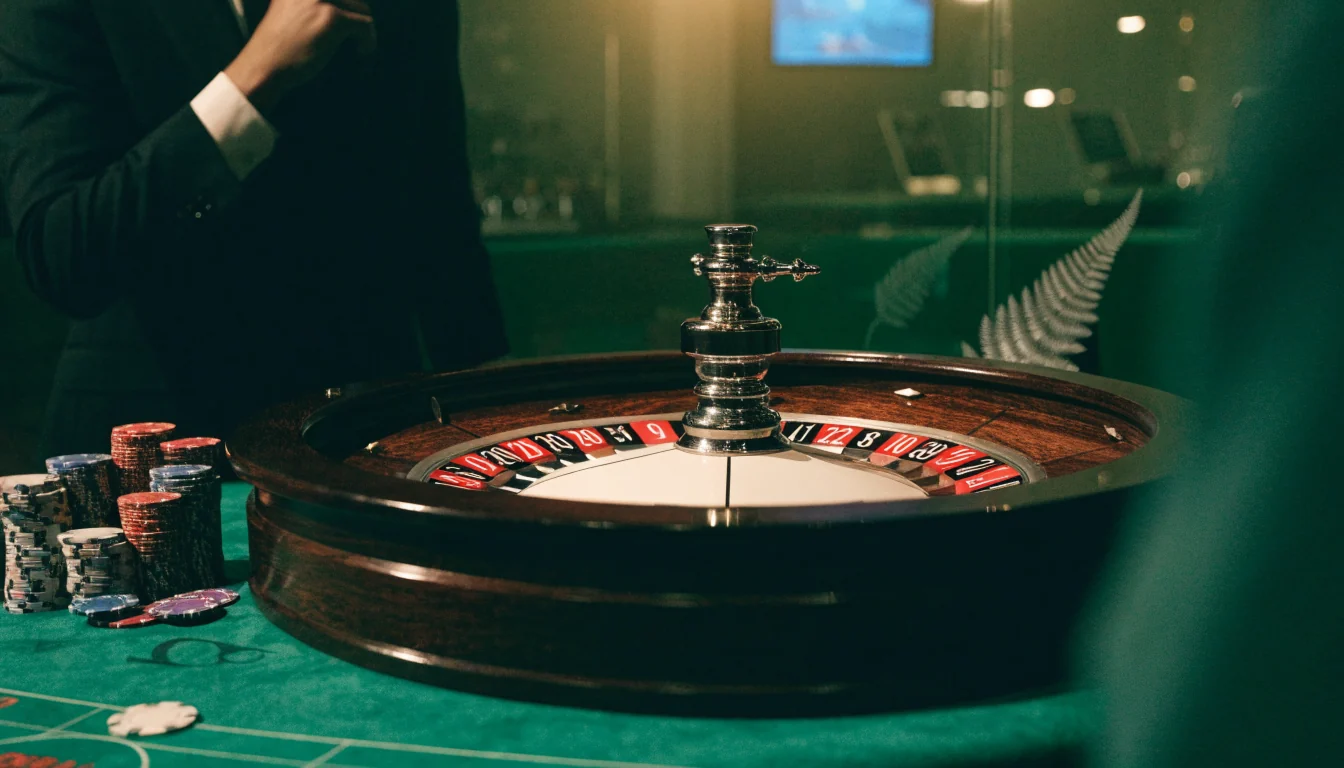
A free French Roulette game can give you a low-pressure way to learn where the controls are and how a bet is placed. You can explore the betting area, select a chip value, place a selection, and see how the game records it without putting your own money at stake. If you are new to roulette, that practical familiarity may make the screen easier to follow later.
Free play is for learning the interface, not for rehearsing a way to win. A simulated game may use the same basic layout as a real-money table, but results in practice mode cannot tell you what will happen in a later session. Roulette spins are independent: earlier outcomes do not change the probability of what comes next. A run of one colour, or several spins without a particular number, offers no reliable clue about the next result.
Attention: A simulated game cannot tell you what will happen in a later session, as roulette spins are independent and previous outcomes do not change future probabilities.
What to practise in a free game
Begin by identifying the main parts of the screen. The betting layout is where you select a wager; controls around it may let you choose chips, undo a selection or clear the current bets. Take time to see how a choice is displayed before a spin. That helps you notice whether you selected the intended area and whether the game accepted the action.
You can also practise moving between different kinds of selections. For instance, place a simple outside bet, remove it, then try a selection that covers a smaller group of numbers. The purpose is not to test which choice performs best. It is to understand how the interface represents each selection and how to correct an accidental placement before play proceeds.
If the game includes French table terminology, use practice mode to become comfortable with the labels. “Roulette” is a French word meaning “little wheel”; in the game, the name refers to the spinning wheel and its numbered pockets. The word alone does not tell you which rules apply, so read the table information rather than assuming every game labelled French Roulette presents the same options.
A free French Roulette online game can also help you slow down. You might pause to inspect the layout, check what is selected, and follow the result display without having to make a decision about real-money stakes at the same time. This can be useful for basic orientation, especially if you have only seen roulette in a film or on a screen before.
Keep practice separate from expectation
A common trap is to treat a favourable practice session as evidence that a particular sequence or betting approach will work for money. It is not. A free game can show how the software responds to your selections, but it cannot demonstrate that your choices will produce a profit. Random outcomes remain random whether the balance shown is virtual or real.
Practice results can also feel less consequential, which may change how you play. You might make selections more quickly, try bets you would avoid with money, or continue for longer because nothing is being spent. Those choices do not necessarily reflect how you would act when a real balance is involved. If you move from a demo to real-money play, treat that as a different decision rather than a continuation of a successful practice run.
Free play should not be mistaken for a guarantee that every table offers a demo option. If one is available, check that it is clearly identified as practice mode and that the balance is not real money. If the distinction is unclear, do not assume that a displayed balance or result is only simulated.
The useful measure of a free session is modest: can you find the controls, understand how a selection appears, and follow the result? Once you can do that, repeating spins to look for a pattern adds little. Previous results cannot predict future ones, and no practice routine removes the chance that a real-money bet will lose.
If you choose to play for money at another time, set a limit you can afford to lose and do not exceed it. Free French Roulette is best treated as a way to get acquainted with the game’s interface, not as a forecast, a test of luck or a method for preparing guaranteed returns.
- Use free play to learn the interface and controls
- Check that the demo balance is not real money
- Set a spending limit before playing for money
- Treat practice wins as evidence of a winning strategy
- Assume previous results predict the next outcome
- Risk more than you can afford to lose
French Roulette Online in New Zealand: Rules and Caution Points
French Roulette online sits within a changing New Zealand regulatory framework. The Online Casino Gambling Act 2026 took effect on 1 May 2026, establishing the country’s first domestic licensing system for online casino gambling. The full licensed regime is expected to be operating in 2027, so the transition period matters when you assess what a site’s claims about its status mean.
During the transition, which runs from 1 May to 1 December 2026, only providers that were already serving people in New Zealand before the Act took effect may continue operating, subject to the Act’s transitional provisions. A provider that has not applied for a licence must stop conducting online casino gambling in New Zealand by 1 December 2026. The law does not permit online casinos to be based domestically; the new framework concerns licensing online casino services, not establishing New Zealand-based casinos.
The Department of Internal Affairs is New Zealand’s primary gambling regulator and oversees the online casino licensing framework. The Gambling Commission has a distinct role: it hears and decides casino licensing applications, issues online casino licences and approves changes to licence conditions. These are different responsibilities, so a general reference to regulation should not be mistaken for confirmation that a particular provider holds a licence.
Before the new Act, online casino gambling supplied from outside New Zealand was not licensed or supervised by a New Zealand regulator. Customers wagering with offshore websites in that period had no domestic government recourse. The transition introduces a route to local oversight, but it does not make every site available to New Zealand players part of the licensed system. During this period, providers are also prohibited from advertising online casino gambling to people in New Zealand. A promotion or a French Roulette game page is not, by itself, evidence of a licence.

The framework also brings stricter age and identity verification requirements for licensed operators. For you, that means an operator may need to confirm who you are and your eligibility before providing access or processing account activity. Unlicensed operators may face enforcement action, with fines of up to NZ$5 million. These consequences apply to providers; they are not a reason to assume that a site is locally licensed simply because it accepts players from New Zealand.
Read bonus terms before accepting
A casino bonus can change how much of your balance is available to withdraw and when. Check the offer’s eligibility rules, expiry, which games contribute to wagering, and any withdrawal restrictions before accepting it. French Roulette may be treated differently from other games for contribution purposes, so do not assume that every spin counts equally towards a requirement.
Bonus money must be wagered 50X within 30 days. Winnings from free spins must be wagered 50X within 7 days. These are separate requirements: read which one applies to the offer you have accepted, and note when its stated period begins. A withdrawal request voids all active or pending bonuses, so requesting a payout can cancel an offer that has not yet been completed.
The practical point is to separate the game from the terms attached to an account offer. A French Roulette table may be available, but that does not settle whether a bonus applies to it, how its contribution is counted or whether withdrawing will cancel the bonus. Review those conditions alongside the provider’s licensing position, and do not risk more than you can afford to lose.
Legal Warning
Unlicensed operators may face fines of up to NZ$5 million, and players using offshore websites before the 2026 Act had no domestic government recourse.
Live French Roulette: Reading the Table and Wheel
A live French Roulette screen can show two different arrangements at once: the physical wheel, where the ball can land, and the betting layout, where selections are displayed. They serve different purposes. The wheel presents the numbered pockets in a circular order; the table presents numbers and bet areas in rows and groups. A number that sits beside another on the betting layout is not necessarily beside it on the wheel.
This distinction matters when you watch a live game or hear a croupier announce a call. Calls based on wheel positions refer to numbers next to one another around the rim, not numbers that happen to share a row or sit near each other on screen. If you are following a call, look for the wheel order rather than estimating from the rectangular table.
What the wheel shows
French Roulette has the same single-zero wheel arrangement as European Roulette. Its French identity comes with rules such as La Partage and En Prison, but those rules do not create a different sequence of pockets. When a live table shows the wheel, use its numbered pockets to understand where numbers sit in relation to one another.
The screen may orient the wheel differently from a diagram you have seen elsewhere. The wheel can also be shown at a different angle from the table, so avoid assuming that the number at the top of the display is a fixed starting point. Read the labels around the rim and follow their circular order. The betting layout is useful for seeing where selections are grouped, but it is not a map of the wheel’s physical sequence.

What the layout shows
A French Roulette layout is the betting surface: numbers appear in a grid, with outside-bet areas arranged around them. That design helps you identify a selection’s position on the table, but it cannot tell you which pockets are neighbours on the wheel. Treat the wheel and the layout as separate references, especially when a call uses wheel-based terminology.
The French layout may look familiar to anyone who has seen European Roulette, because both use the same single-zero wheel format. Still, do not infer a table’s rules from its appearance alone. A live game’s label and presentation may not explain every rule that applies. Check the table information for the rules in force, including whether the French zero options are offered.
Live, automatic and desktop views
“Live” can describe a game presented with a real wheel and a dealer, while an automatic roulette title may present the wheel through a computer-generated interface. The wording used by a casino can vary, so check the game information rather than relying on the label. What matters for reading the game is whether you can clearly see the wheel, the table layout and the result as it is recorded.
A French Roulette game is not necessarily limited to a desktop display. On a smaller screen, the interface may arrange the wheel and betting layout differently or make you switch between views. Before taking part, make sure you can read the pocket labels and identify the selected area without guessing. If the display is too small or unclear, pause instead of placing a bet based on a number you have not confirmed.
A number that sits beside another on the betting layout is not necessarily beside it on the wheel; wheel-based calls refer to the circular rim order.
A French Roulette demo can also help you recognise the on-screen layout, but familiarity with the display does not predict a later result. In a live game, each real-money bet can lose, and a clear interface cannot change that. Keep any play within money you can afford to lose.
French Roulette Odds, Probability and the Limits of Strategy
French Roulette’s lower house edge depends on the table rules, not on a betting system. When La Partage or En Prison applies, the house edge is 1.35% for eligible even-money bets. These rules affect the calculation when zero appears; they do not change the odds on every type of wager. On a French Roulette table, check which rules apply before you play, because the label alone does not tell you how a particular bet will be treated.
The house edge describes the casino’s statistical advantage over repeated play, rather than a fixed charge on each spin. It does not mean that you will lose a particular proportion of your stake during a short session. You could win, lose or break even over that time. Nor does the lower edge mean that an eligible bet is safe: any real-money bet can lose, and the edge still favours the house over the long run.
La Partage can soften the result for an eligible even-money bet if zero lands, lowering the effective edge for that bet. That is a rule-based difference, not a benefit created by choosing a particular number or timing your wager. It also should not be treated as applying to bets that are outside the rule.

What probability can—and cannot—tell you
Each roulette spin is independent. The wheel does not remember what happened before, so a run of one colour or a long gap between results does not make a different result more likely on the next spin. A record of past outcomes can describe what has already happened, but it cannot guide the probability of the next outcome.
This is an important limit on French Roulette strategy. Patterns, staking plans and attempts to recover a loss cannot alter the wheel’s probabilities or remove the house edge. A sequence may look meaningful after the fact, but it is not a signal that the next spin is due to follow or reverse it. Increasing a stake after losses can also leave you exposed to larger losses without improving the underlying odds.
If you use a French table, focus on the rules and on what you are prepared to lose, rather than trying to predict a sequence. Decide on a spending limit before playing and do not risk money you cannot afford to lose. Treat any win as an uncertain outcome, not evidence that a system is working. That keeps the probability in view: the special zero rules can improve the terms of eligible bets, but they do not promise a return or make future spins predictable.
French Roulette vs American Roulette: What the Extra Pocket Changes
The main difference between French and American roulette is the wheel, not the colour or shape of the betting layout. French Roulette uses the single-zero arrangement also found in European Roulette: there are 37 pockets, numbered from zero to 36. An American wheel has 38 pockets because it adds a double zero alongside the single zero.
Uses a single-zero wheel with a house edge that can fall to 1.35% when La Partage or En Prison applies.
Uses a single-zero wheel with a standard house edge of 2.70%.
Uses a double-zero wheel with 38 pockets, resulting in a higher standard house edge of 5.26%.
That extra pocket changes the standard house edge. European Roulette’s edge is 2.70%, while American Roulette’s is 5.26%. French Roulette shares the European single-zero wheel, and its edge can fall to 1.35% when La Partage or En Prison applies to eligible even-money bets. These figures describe the mathematical advantage built into the rules; they do not tell you what will happen on an individual spin.
When you compare French Roulette with American Roulette, check the table rules as well as the wheel. French tables may offer La Partage or En Prison, which affect eligible even-money bets when zero appears. American roulette should not be assumed to offer the same treatment. A specialist review has reported that some Atlantic City American tables return half the stake on even-money bets when either zero or double zero lands, but that is not a standard American roulette rule. Read the displayed rules for the specific table rather than relying on its name or location.
The extra pocket matters because it gives the house a larger mathematical edge under the standard rules. It does not make every American spin a loss, just as a French table’s lower edge does not ensure a win. Roulette outcomes are random: previous results do not change the chances on the next spin, and every real-money bet can lose.
If you are choosing between the variants, the pocket count and the rules shown at the table are more useful than a betting system or a recent run of results. French Roulette offers a lower edge when its special zero rules apply; American Roulette has the higher standard edge because of its additional pocket. Neither option removes the risk of losing your stake. Do not risk more than you can afford to lose.

French Roulette Payouts and Playing for Fun
A winning even-money bet pays winnings equal to your stake, with the stake also returned. The important qualification is that French Roulette’s reduced house edge applies to eligible even-money bets when La Partage or En Prison is in force. Under those conditions, the house edge is 1.35%. That figure describes the game’s mathematical advantage over repeated play; it is not a promised deduction from every wager or a forecast of what you will receive in a session.
The special zero rules affect how an eligible bet is settled when zero appears. They do not make a win certain, and they do not protect every kind of wager. If you are checking a table’s payout information, confirm that the stated rules apply to the bets you intend to make. A French label alone is not a guarantee that a particular table applies the rules in the way you expect.
This is why a French Roulette payout should be read as a rule-based outcome, not as a return you can count on. A winning spin may pay as stated, while a losing spin can still cost you the stake. Results vary, and no sequence of previous outcomes changes the risk of a later real-money bet. French Roulette offers the best odds for even-money bets because of La Partage and En Prison, but a lower house edge is not the same as an advantage for an individual player.
If you play French Roulette for fun, decide in advance what you can afford to lose and stop when that amount is gone. Do not treat a small loss as something that must be won back, or a run of wins as proof that the next bet is safer. Every real-money bet can lose.
Before Placing Your Bet
- Confirm if La Partage or En Prison rules apply to the table
- Decide on a spending limit you can afford to lose
- Review bonus wagering requirements and expiry dates
- Verify that the balance is not simulated (if not in demo mode)
Bonuses can also change what you may withdraw. Read the conditions before accepting one: bonus money must be wagered 50X within 30 days, and winnings from free spins must be wagered 50 times within 7 days. A withdrawal request voids all active or pending bonuses. Those terms can affect whether promotional funds and related winnings remain available, so do not treat a displayed balance as automatically withdrawable.
Playing for enjoyment means keeping the stake and the rules clear in your mind. The reduced edge can make eligible bets more favourable in mathematical terms, but it cannot guarantee a return on any spin or turn roulette into dependable income.
Called Bets in French Roulette: Wheel Neighbours, Not Table Neighbours
A called bet in French Roulette refers to a group of numbers selected by their positions around the wheel. That is different from choosing numbers because their spaces sit close together on the betting layout. The distinction matters: a call is about the wheel’s sequence, not the shape or location of printed boxes on the felt.
French Roulette uses the same single-zero wheel arrangement as European Roulette. When a call groups numbers around that wheel, it follows the order in which those numbers sit around its rim. On the table, however, numbers are arranged in rows and columns. Two numbers printed side by side may be far apart on the wheel, while wheel neighbours may appear in different parts of the layout.

This is why a spoken call can be confusing if you try to interpret it by looking only at the betting grid. The name or description points to a wheel-based selection; it does not mean “place chips on the numbers beside one another.” Before placing anything, make sure you understand which numbers the call covers and where each of those numbers appears on the table. If the call is unfamiliar, ask for clarification rather than guessing.
A dealer’s role is to manage the game and communicate the call, not to make a particular selection more likely to win. There is no need to treat a dealer’s suggestion or a familiar-sounding label as a signal about the next result. A call describes a way of grouping numbers; it does not predict where the ball will land.
If you are new to the game, keep the two maps separate in your mind: the wheel shows the number sequence, while the betting layout shows where bets are placed. That simple distinction helps you follow French Roulette call bets without mistaking wheel neighbours for table neighbours. It also makes it easier to check that the numbers you intend to cover match the call you heard.
“Dealer tips” can also mean advice about tipping the dealer. That is separate from a called bet and does not change which numbers are included. If you are unsure about table etiquette or how a particular call is entered, ask before placing your chips. Clear communication is more useful than relying on an assumption, especially when a spoken term refers to wheel positions rather than visible spaces on the layout.
Every call should be understood as a defined selection, not as a shortcut to better odds. Keep your stake within what you can afford to lose: any real-money bet can lose, whatever group of wheel positions it covers.
Key Summary
- French Roulette’s edge is reduced to 1.35% for eligible bets via La Partage or En Prison
- Called bets are based on wheel positions, not the betting layout grid
- Each spin is independent; no system can predict or guarantee a win
- Always verify specific table rules and bonus terms before wagering
French Roulette Calls, Casinos and the Blackjack Edge Question
A call at a French Roulette table is a way of identifying a wager by a group of numbers linked to their positions on the wheel. It is not a call for a casino or a special advantage. The term can be confusing because roulette also has a betting layout on the table; wheel-based calls refer to number positions around the wheel, not to nearby spaces on the layout.
If you are looking for French Roulette at an online casino, the name alone does not tell you which rules apply. The relevant detail for the house edge is whether La Partage or En Prison is offered for eligible even-money bets when zero lands. With either rule in effect, the stated house edge for French Roulette is 1.35%. These rules give even-money bets better odds than they would have without the special treatment of zero, but they do not make a particular bet safe or certain to win.
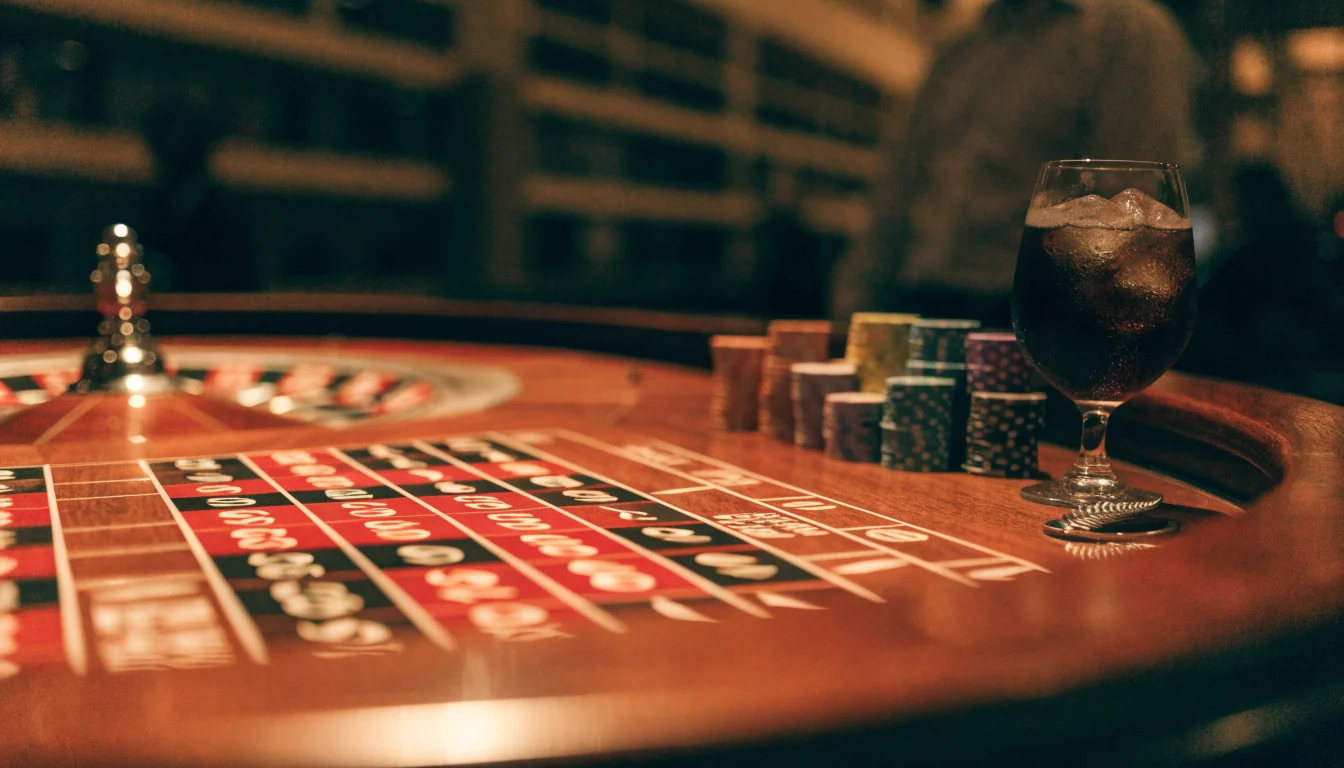
The comparison with blackjack needs care. Asking which game has the smallest edge does not produce a supported answer unless the blackjack rules and conditions are specified. The French Roulette figure applies when its special zero rules are in place; it is not a universal comparison with every blackjack table. A casino’s label or a general claim about one game being better cannot replace checking the rules that actually govern the table.
Before staking money, read the table rules and confirm how zero affects an even-money bet. A French Roulette title does not, by itself, confirm that La Partage or En Prison applies. If the rule is not clearly stated, do not assume the lower edge applies.
Calls and edge are separate matters: choosing a wheel-based group does not alter the game’s underlying odds. Roulette outcomes are random, and each real-money bet can lose. Previous results do not make a call more likely to win on a later spin. Set a limit you can afford to lose, and do not increase it to recover a loss.
French Roulette Gold Live: Check the Rules Behind the Label
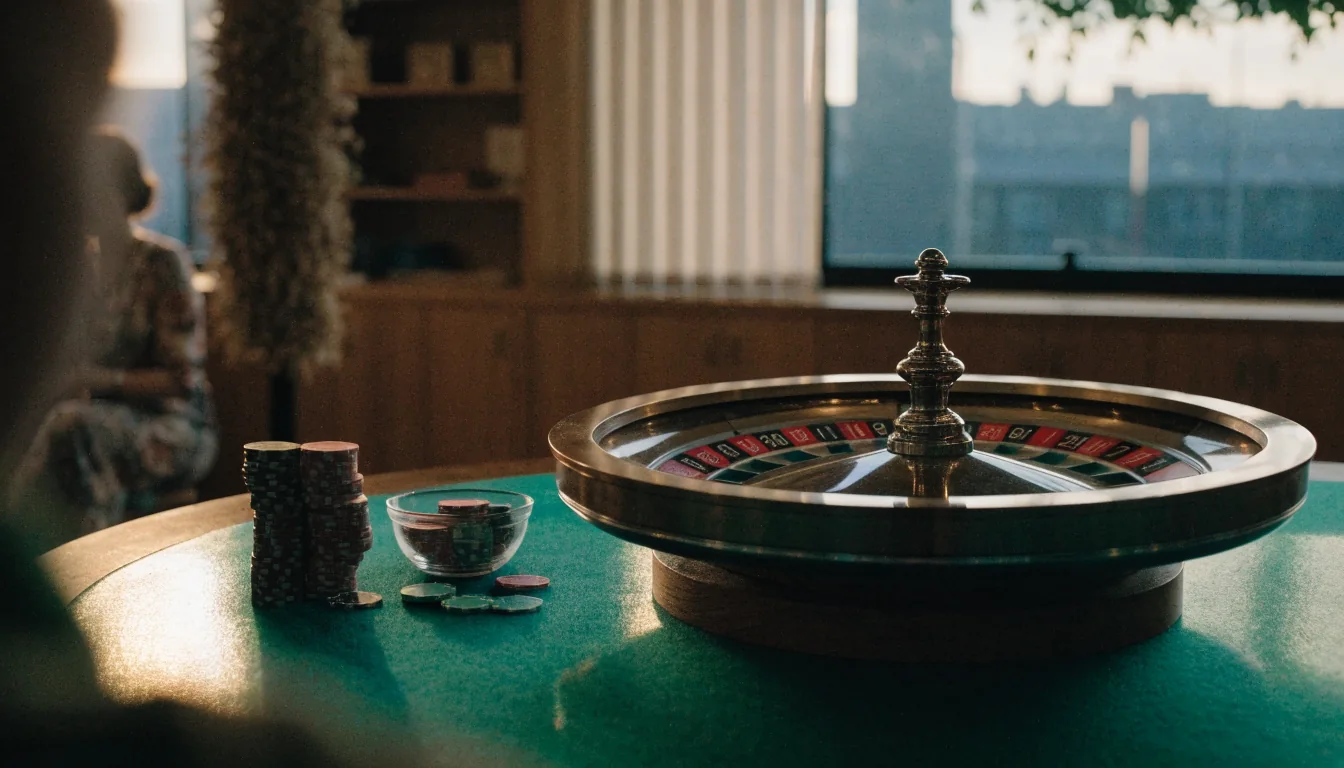
“Gold” in a French Roulette title may sound like a description of the game, but the label alone does not tell you how the table works. It does not confirm the wheel layout, the rules applied when zero lands, or whether a particular feature is available. Read the table’s rules before you place a bet rather than relying on its name or promotional image.
The useful checks are specific. French Roulette uses a single-zero wheel, like European Roulette. The key rules to look for are La Partage and En Prison. Both apply only to even-money outside bets when zero lands, so their presence does not change the treatment of every bet on the table.
The rules may be shown in a help panel, game information menu or table terms. Check that the written rules apply to the table you have opened, not just to French Roulette as a general game description. If the information is unclear, do not assume that “Gold Live” means the table includes either special rule. A title is not a substitute for the terms.

The distinction matters most when you are deciding what a zero could mean for an eligible bet. Under La Partage, part of the stake is returned and the rest is collected. Under En Prison, the bet is held for another spin, with the result determined by that spin. If neither rule is offered, the table may still use a single-zero wheel, but you should not treat its zero outcome as though one of these protections applies.
Live presentation does not make outcomes predictable: spins are random, and every real-money bet can lose. Do not risk more than you can afford to lose. If an offer is attached to a game, read its conditions as well: bonus money must be wagered 50X within 30 days, free-spin winnings 50X within 7 days, and a withdrawal request voids active or pending bonuses.
Prepared by the Casino Info NZ editorial staff.